
H1: play live online blackjack real money list 2026 for Australian players
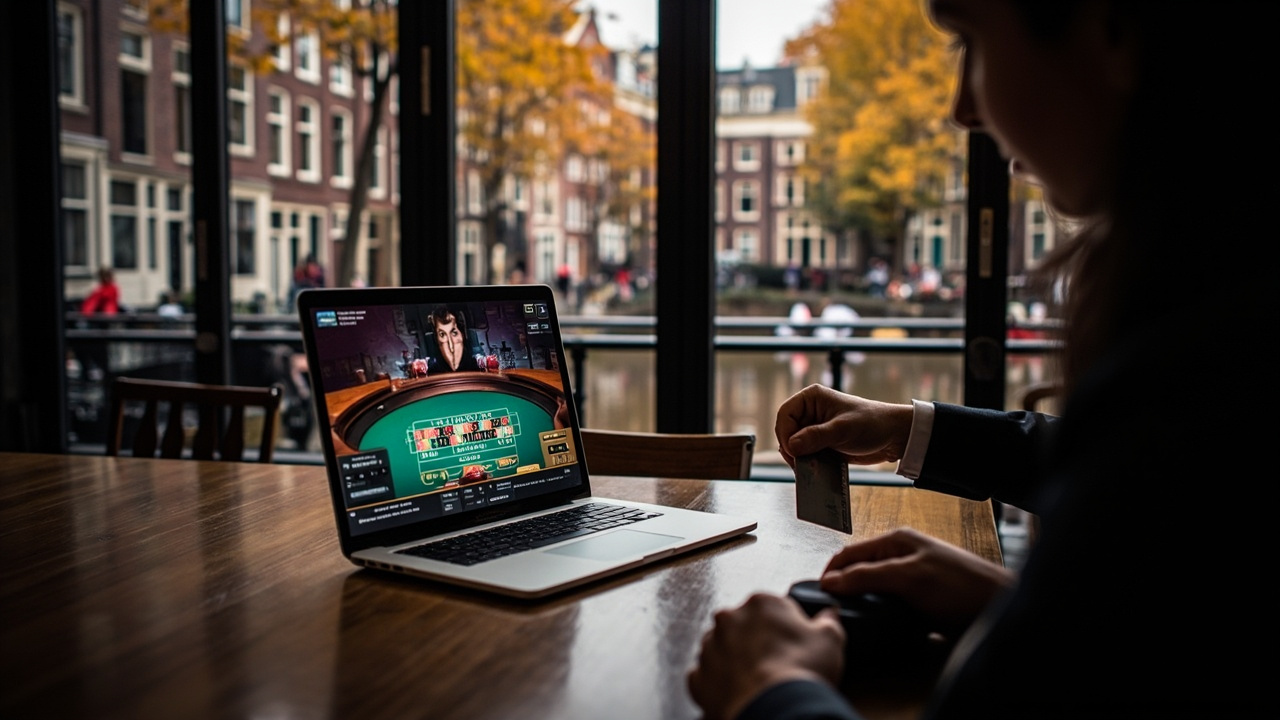
Picking a table that actually suits your style matters more than chasing a flashy lobby. This play live online blackjack real money list 2026 walks through the tables and interfaces that hold up under real play, with a focus on localisation, everyday usability, and the small design choices that separate a polished room from a rushed one. We look at who each setup fits, where the friction hides, and how the maths behind the shoe changes what you can reasonably expect.
When a room leans too heavily on gimmicks, the actual gameplay suffers and players quickly lose trust. For a closer look at how premium environments balance prestige with practical design, see the breakdown in our VIP blackjack insights. Those details often reveal which platforms truly respect the player experience and which ones are just decorating the surface.
H2: Interface and localisation that hold up on a busy night
A good live room should feel settled the moment the stream loads, not like you are negotiating with the lobby. The best entries in this play live online blackjack real money list 2026 keep the visual identity restrained: clear table chips, readable card fonts, and a dealer who speaks in a pace that suits an Australian arvo rather than a scripted racetrack cadence. Navigation stays shallow, with table filters that sort by stake, dealer language, and side‑bet load instead of burying you in tabs. Localisation is where a lot of rooms quietly fail. The ones worth your time more information show Australian dollars as the default currency, display odds and payouts in the same notation you see on a regional New South Wales pub pokies floor, and keep the chat free of clutter that fights the stream for attention. If you want to compare the visual language of a well‑run room against a more stripped‑back alternative, you can read the take on red pokies and how a tighter interface reduces the noise around the actual play. Search should be immediate, not a dropdown puzzle, and the registration flow has to stay consistent with what you see on the table screen, because a mismatch there is the first sign that the product team is treating localisation as an afterthought.
H2: Where the maths and the shoe design meet your bankroll
H3: Card counting, shuffle timing, and what actually changes your edge
The long view from a designer who has built skill‑gaming mechanics for two decades is blunt: a live shoe is not a puzzle you solve once and keep solving. The house edge on a standard eight‑deck table with late surrender and proper basic strategy sits where it sits, and the only real variable is how the shoe is managed between hands. Some operators will shuffle up early to disrupt a counter’s advantage, which is a legitimate product decision and not a moral statement, but it does mean the rhythm of the room changes depending on how the pit is staffed and how the software flags unusual bet spreads. As a mathematician, I treat that as a design constraint rather than a threat: if the table is shuffling up early, you are paying for that protection in variance, not in a hidden fee, and you should size your bets to the shorter effective shoe rather than pretending you have a full deck cycle to work with. The practical takeaway is that a table with a transparent shuffle policy and a stable dealer pace gives you something more useful than a theoretical edge, which is a predictable cost of play that you can actually fit to a session plan.
H3: Player fit, side‑bet load, and the cost of a busy lobby
A contrasting view comes from an operator analyst who argues that most players are not counting at all and are simply buying a social experience, so the shuffle policy matters less than the feel of the room and the speed of the payouts. That position has genuine weight, because a large share of the traffic is there for the dealer interaction and the ambient noise, not for index plays on insurance. The disagreement is real and it is balanced: the designer side says shuffle timing and shoe transparency are the honest things to publish, while the operator side says the majority of players never read that fine print and just want a table that feels fair and moves at a sensible pace. For you, the useful middle ground is to check the side‑bet load before you sit down. A room that leans heavily on perfect pairs and bonus payouts can make a modest stake feel busy as, even when the main game is quiet, and that changes the expected cost per hand in a way that basic strategy alone will not show you. If you are the kind of player who wants a steadier table, you are better off with a room that keeps the side‑bet prompts visible but not dominant, and that lets you read the shoe and the shuffle policy without digging through a help page.
H2: Matching the table to the way you actually play
The right fit depends on what you are trying to get out of the session, not on which lobby looks busiest. If you are playing for a measured stretch of time and want the interface to stay out of your way, look for a room that defaults to Australian dollars, keeps the chat folded until you open it, and shows the shuffle policy in plain language on the table screen. If you are more interested in a lively room with a social feel, a slightly busier table with a faster dealer pace can suit you better, provided the side bets are clearly labelled and the payouts are easy to read without leaning into the stream. The people who are serious about strategy want the opposite of a noisy lobby: a stable table, a predictable shuffle rhythm, and a layout that lets them track the shoe without fighting the UI. That is where the localisation details stop being cosmetic and start mattering to the maths, because a currency mismatch or a hidden stake step can quietly turn a session you thought was measured into one that drifts. The same logic applies to mobile play, where a room that looks tidy on a desktop can become fiddly on a phone if the bet controls are cramped or the stream quality drops when the lobby is busy. A room that handles that gracefully is usually the one that has treated the product as a real daily tool rather than a weekend showcase.
That same principle applies when you compare different table limits and wagering rules across the room. For a straightforward breakdown of how these settings work, you can read the detailed guide at red pokies. Once you know exactly what to expect, you can settle into a game that matches your pace without any unexpected interruptions.

Verdict: this play live online blackjack real money list 2026 favours rooms that keep the interface quiet, the currency local, and the shoe policy honest, because those are the things that actually change how a session feels and costs. Pick the table that matches your pace, check the shuffle and side‑bet load before you commit, and treat the room as a design choice you can read, not a promise you have to trust.
